Energy Savings from a Cool Metal Roof



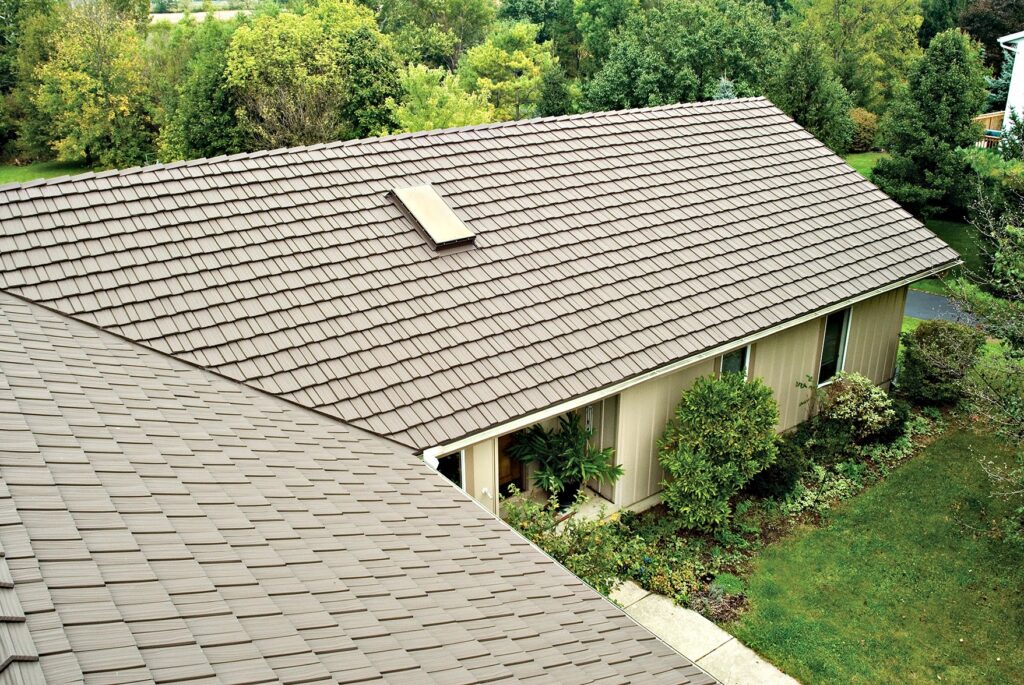
How important are energy savings for you? The cost of energy to keep our homes comfortable increases every year. A cool metal roof is a Classic solution to getting and keeping your summer energy costs down, year after year. Two homeowners share how important the savings are to them.
A Cool Metal Roof Arizona Style
“The styrofoam inside our new shingles plus the reflectivity of the light-colored aluminum seem to be providing a worthwhile benefit. Our electricity usage dropped by a whopping 20% this year compared to the same months in previous years even though the average temperature is 2.5 degrees higher this year and our thermostat setting is 1 degree lower than last year. The roof is definitely making a significant difference in our electric bill.
I didn’t expect the roof to have any impact on our electric bill because we previously had wood shake shingles, which provide pretty good insulation and low conductivity of heat. Also, the 20% reduction in our power bill probably means that our new aluminum roof is reducing our A/C costs by about 40% because we have five pool motors that account for about half of our power usage.”
-David P. of Phoenix AZ
6 Month Energy Study from an Indiana Homeowner
A six-month study of the energy savings of a cool metal roof by a homeowner from the moderate climate in Indiana after his new energy-efficient metal roof was installed yielded savings that will continue year-after-year. At the time of purchase, this roof qualified for the Federal Energy Efficiency Tax Credit, compounding the savings.
While savings will always vary somewhat based upon the individual home and homeowner, potential savings can be expected to be even greater in warmer climates. Cool metal roofs work by reducing heat gain into the attic and home, reducing energy consumption through lowered air conditioning needs.
Less energy use, lower electric bills
- The homeowner reported that his September and October electric bills were the lowest he has ever had in the home.
- During this six-month period, the homeowner’s total energy savings was $332, and his energy consumption was over 28.5% less after the cool metal roof was installed.
- Part of this savings is due to slightly lower temperatures from the previous year, but the homeowner also reported having more house guests who would have increased his energy use.
 Download this Residential Energy Savings from a Cool Metal Roof case study as a PDF
Want to find out how your home and wallet can benefit from a Classic Cool Metal Roof?